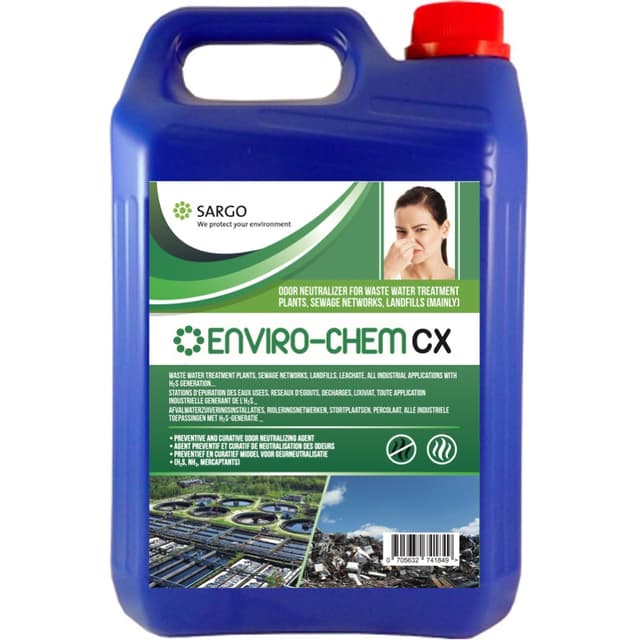
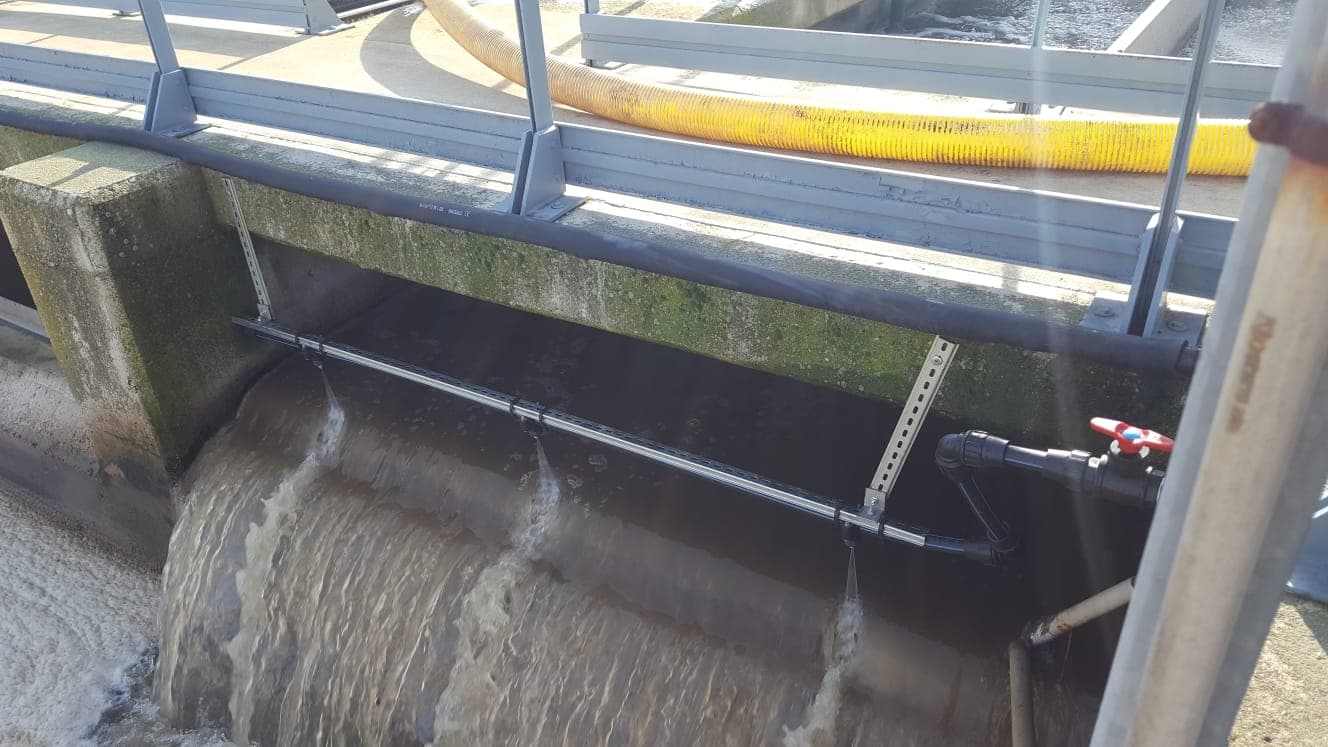
Calcium nitrate is commonly used to limit H₂S formation in certain wastewater networks. Enviro-Chem Cx offers a different approach: a low-dose solution without a large nitrate or calcium load, suitable for networks facing H₂S, odour, grease, deposit or logistics constraints.
Calcium nitrate
Enviro-Chem Cx
Action logic
Calcium nitratePrimarily preventive, with action dependent on retention time and the biological balance of the network.
Enviro-Chem CxPreventive and corrective: reduction of sulphide formation at source and neutralisation of a portion of sulphides already present.
Medium or long retention time
Calcium nitrateCan be relevant when the network offers sufficient retention time to establish a preventive biological action. However, the longer the retention time, the more it may be necessary to maintain sufficient nitrate availability throughout the hydraulic path, which can increase dosed volumes.
Enviro-Chem CxEnviro-Chem Cx's action does not depend on extended retention time to produce its effects, which facilitates sizing in networks with variable hydraulic profiles.
Response to H₂S already present
Calcium nitrateLimited effect on H₂S already present, as the action mainly targets preventing future formation.
Enviro-Chem CxCopper reacts with dissolved sulphides and rapidly reduces part of the H₂S release potential.
Dosing and logistics
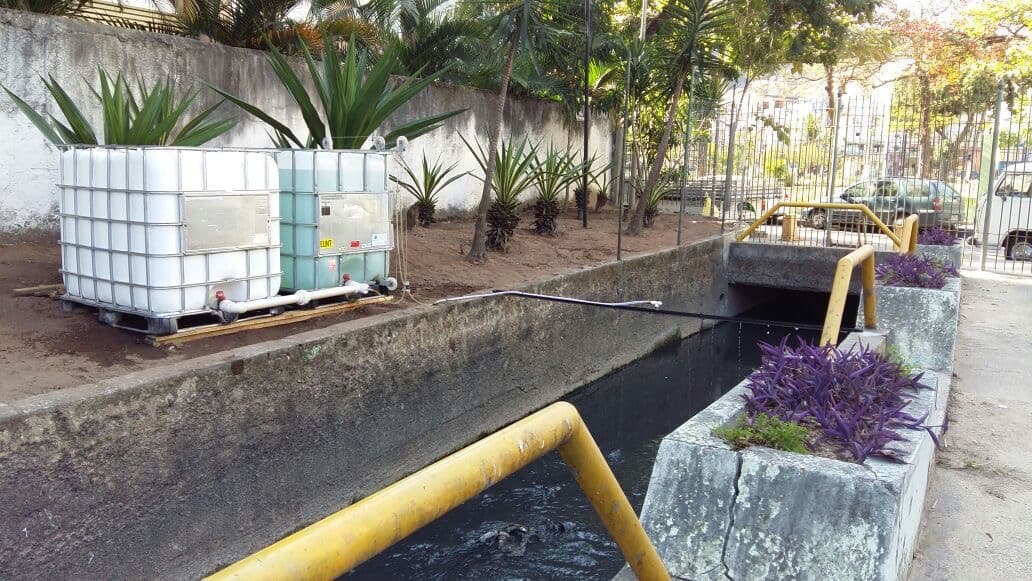
Calcium nitrateOften high doses, particularly when it is necessary to maintain sufficient active concentration over long or biologically active stretches, with more storage, transport and handling requirements.
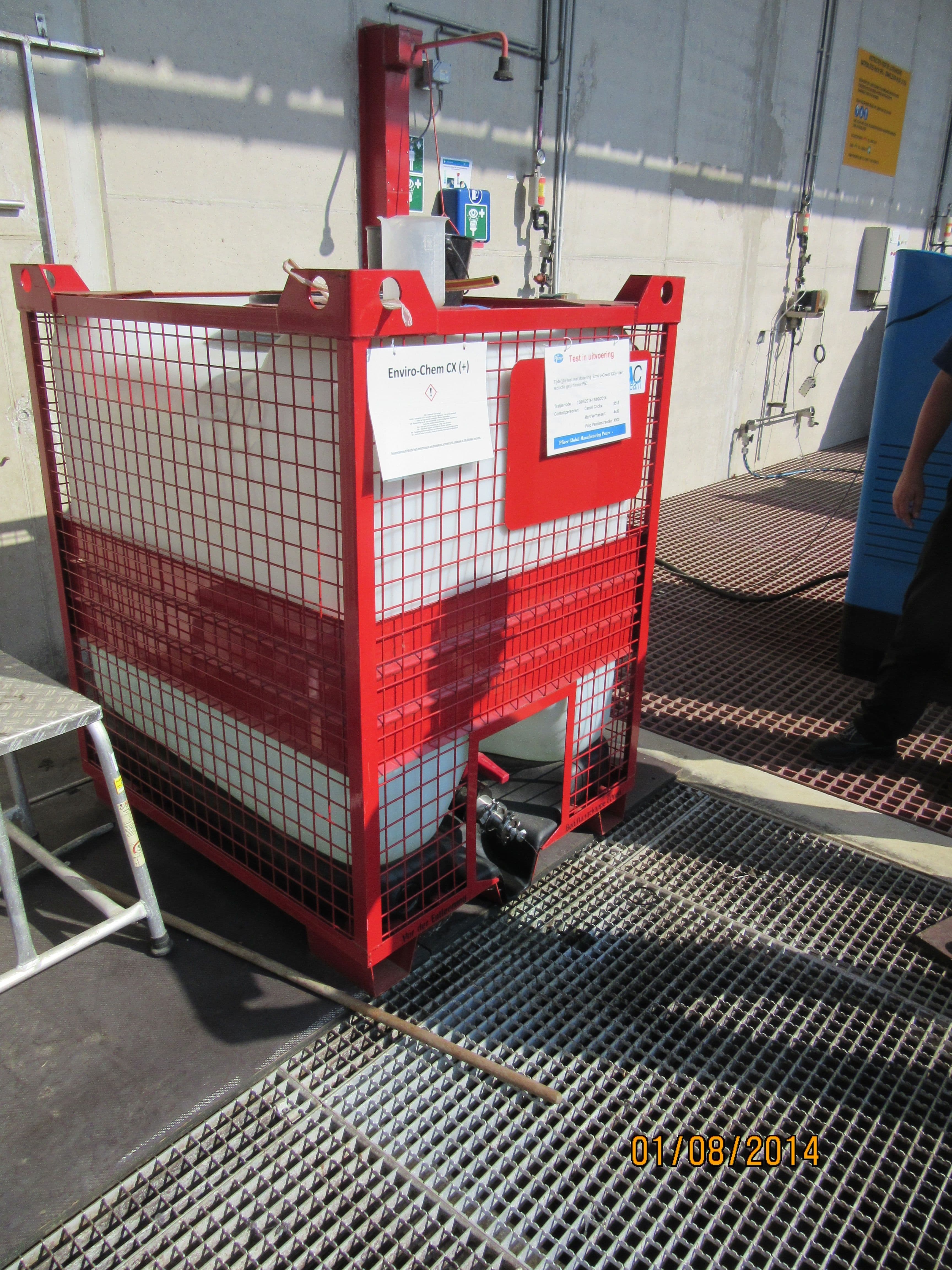
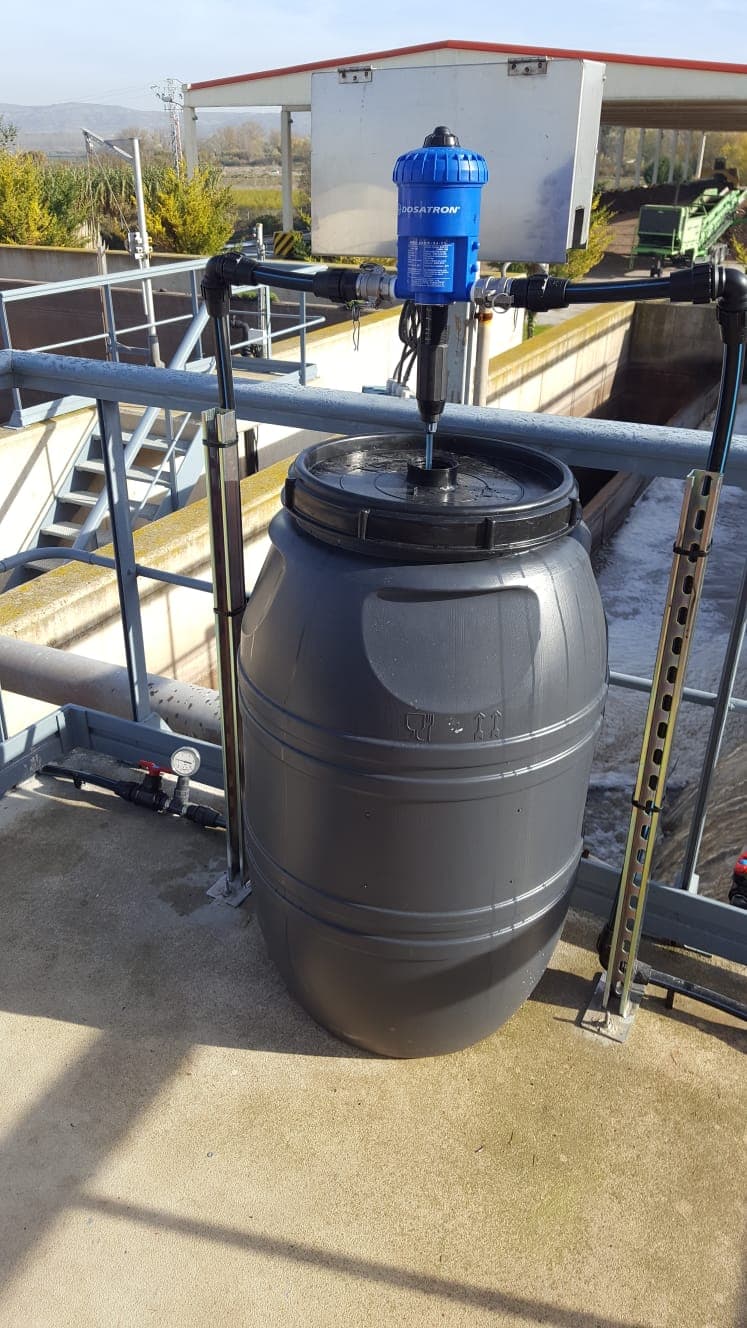
Enviro-Chem CxLow dosage and more compact solution, reducing volumes handled on site.
Fats and deposits
Calcium nitrateCalcium nitrate treatments can be effective in certain contexts to limit H₂S formation, but they also introduce a significant amount of calcium into the network. In wastewater systems with high fat and grease content, this calcium may contribute to the formation of fatty acid salt deposits, which can be more difficult to remove, with an increased risk of clogging in manholes, pumping stations or low-flow areas.
Enviro-Chem CxEnviro-Chem Cx does not introduce a large calcium load and does not rely on nitrate addition. It can therefore be an interesting alternative when the network faces both H₂S issues and constraints related to fats, grease or deposits.
Residual nitrates and floating sludge
Calcium nitrateCalcium nitrate can reduce H₂S in sewer networks, but if nitrates are reduced under anoxic conditions, they may generate N₂ gas. When this gas production occurs in settling structures, it can cause sludge to rise and disturb primary treatment.
Enviro-Chem CxEnviro-Chem Cx does not add a nitrate load and does not rely on massive denitrification. It therefore helps control H₂S without increasing the risk of floating sludge linked to residual nitrates.
Odour spectrum
Calcium nitratePrimarily targeted at sulphides / H₂S.
Enviro-Chem CxBroader action on complex odorous nuisances, including certain sulphur, nitrogen and organic compounds.
Field flexibility
Calcium nitrateRelevant when the network offers favourable conditions for preventive biological action.
Enviro-Chem CxSuitable for situations where both a rapid response to an existing nuisance and upstream preventive action are sought.
In practice, Enviro-Chem Cx is particularly relevant when nuisances are already established, when product volumes become constraining, when odours are not limited to H₂S alone, or when a strategy combining immediate response and prevention is sought. Enviro-Chem Cx can therefore be considered as an alternative to calcium nitrate when the objective is to control H₂S while limiting dosing volumes, nitrate inputs, calcium loads and operational constraints.
Compare your current treatment with Enviro-Chem Cx
Send us your nitrate volumes, H₂S levels, flow rate and network configuration. We can prepare a first comparative estimate of dosing, volumes handled and potential operational savings.
Request a technical comparison